By Izzy Woodruff
A collaborative known as the Change Capital Fund is tapping into the city’s deep community ownership roots to fight displacement and revitalize neighborhoods.
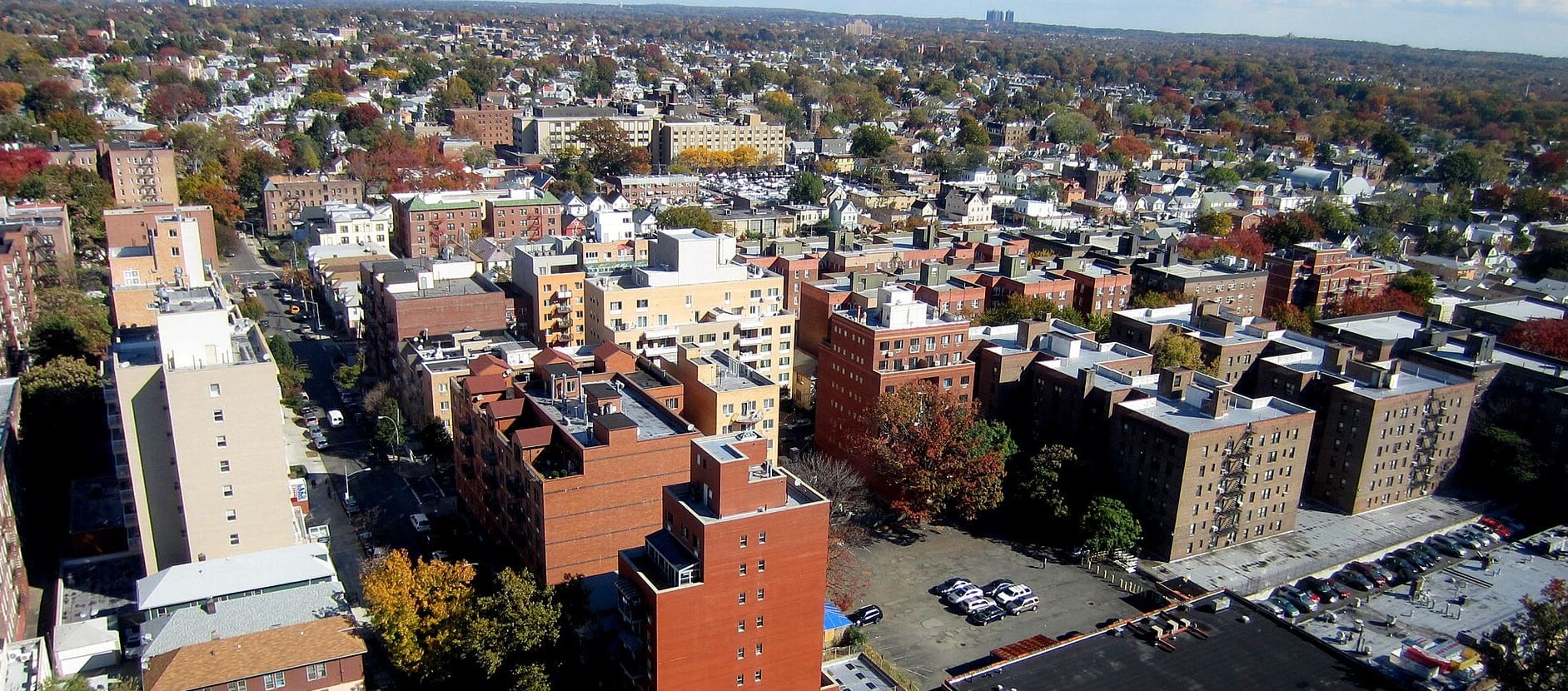
In 1996, a group of civic-minded bank and foundation representatives joined forces to help the community organizations tackling building abandonment and blight in some of New York City’s lowest-income neighborhoods. They called themselves the Neighborhood 2000 Fund, with the expectation that their initiative would be short-term. Thirty years later, the Change Capital Fund (CCF)—as it’s now known—continues supporting community-based organizations to restore and develop affordable housing and revitalize neighborhoods throughout the city.
CCF’s structure is very different from that of many other organizations in the affordable housing space. It’s not a 501(c)(3). It’s not incorporated. And it doesn’t have any staff or a physical office. Rather, it’s a collaborative of donors from the corporate and philanthropic worlds, as well as representatives from city government, sponsored by the United Way of New York City and held together by trust and a shared commitment to strengthening communities.
Many nonprofit housing organizations lack the steady multi-year financial support needed to make lasting change, and that’s where CCF comes in. The collaborative pools funding from foundations and banks and issues four-year grants.
“It’s very consensus-based. It’s generally only when we’re selecting grantees that we need to vote,” said Wendy Fleischer, who works as the Donor Representative for CCF. “No matter how much an institution contributes, each gets one vote. And many of our funders have been around with us for 30 years.”
CCF, currently comprised of 21 funders, primarily supports its grantees for operations. Funders include: Altman Foundation, Amalgamated Bank, BankUnited, Capital One, Enterprise, Goldman Sachs, HSBC, JPMorgan Chase, LISC, M&T Bank, MUFG, New York Foundation, Principal Foundation, Santander, Trinity Wall Street, United Way of NY, US Bank, Wells Fargo Bank, Deutsche Bank, Scherman Foundation and The New York Community Trust. The Mayor’s Office for Economic Opportunity participates ex officio.
“We consider ourselves first and foremost a capacity builder, and we always offer enough funding to support the hiring of at least one full-time staffer,” Fleischer said.
The collaborative also has a technical assistance fund that all grantees can access to pay for additional project support. And, to help cultivate a learning community, CCF convenes regular meetings between grantees and site visits with funders over the course of the four-year cycle.
Being part of a collaborative empowers the individual funders to take more risk than they otherwise might be able to, Fleischer said.
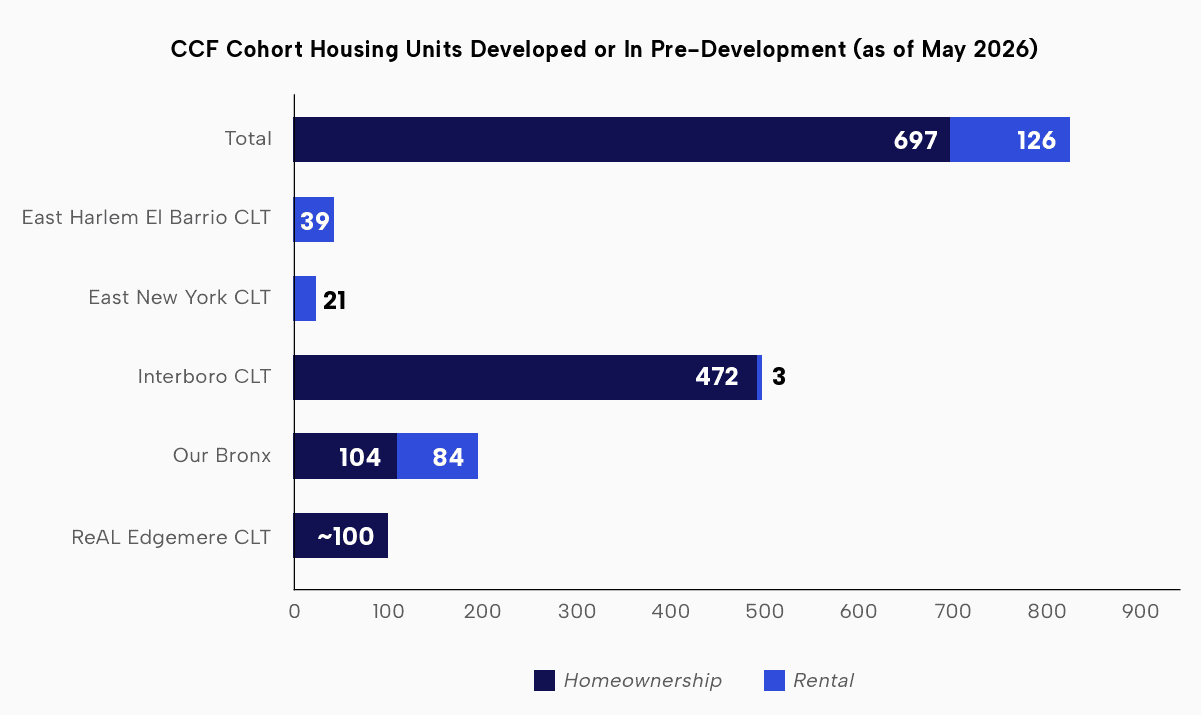
“In 2022, we put out a request for proposal (RFP) for community land trusts (CLTs) and community ownership groups,” she said. “At the time we thought that was sort of a high-risk decision, considering many of the groups didn’t yet own property. Fast-forward to today and there are more than 800 units of affordable housing in the pipeline, in 18 different projects. We’ve been blown away by their progress.”
The hope is that even after a four-year cycle ends, some funders—considering how successful grantees have been—will continue to individually support one or more of the groups they’ve worked with.
The collaborative is now nearing the end of its current four-year cycle and recently released a report highlighting current grantees’ key accomplishments. Among this cycle’s eight community ownership-focused grantees is Grounded Solutions Network member Interboro Community Land Trust. Interboro currently has 475 units of affordable housing in its pipeline, several of which are move-in-ready, net-zero-energy, single-family properties that will house 15 families in Southeast Queens.
Another grantee, South Bronx Unite, recently won an RFP from the city and has been able to secure a 99-year ground lease and raise $45 million to turn a vacant hospital building into a community wellness and arts center. East New York Community Land Trust recently helped residents purchase their building from a private landlord and will now turn it into a tenant-run co-op within its CLT.
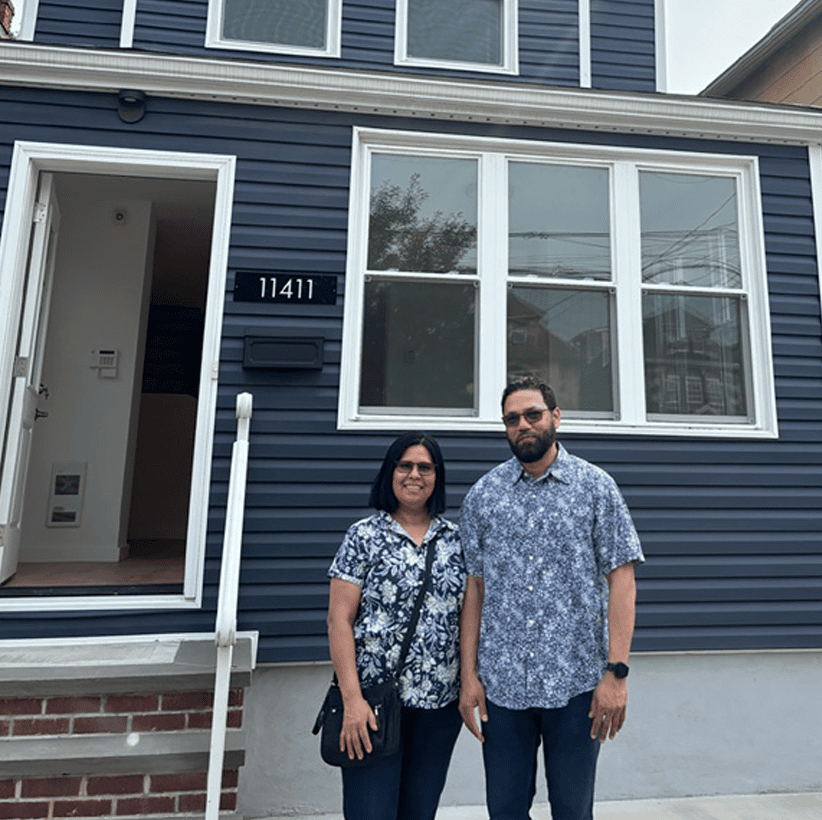
“We love our grantees. They are just incredible people and organizations,” Fleischer said. “Most of them come out of a strong organizing background, and they are deeply rooted in their communities.”
CCF is now preparing for the 2027 to 2031 grant cycle, and Fleischer said that the collaborative plans to continue supporting CLTs, with a focus on strengthening the ecosystems that underpin them.
That means making sure they have the resources they need—both technical and financial—to ensure success, she said. For example, making certain that they have a sustainable business plan so they can remain strong over time and “be multi-generational stewards.”
The recently published report also includes some recommendations for setting up an acquisition fund and streamlining the processes of CLTs working with the state.
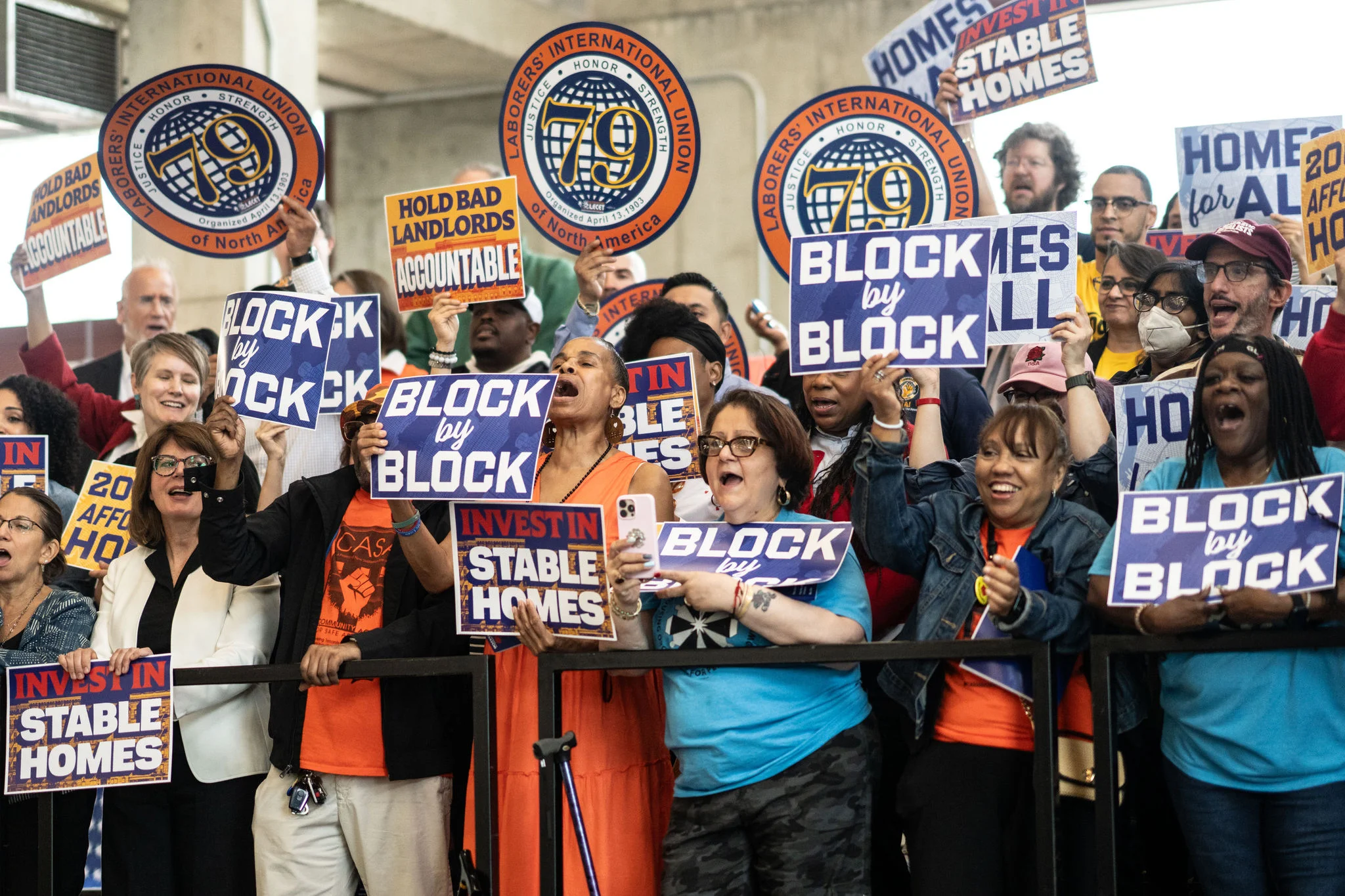
Now more than ever, it seems like New York City is poised to make significant progress on the affordable housing and community development front. Mayor Zohran Mamdani’s housing plan is very supportive of community ownership models including CLTs, and there’s better enforcement in the private market. On the legislative front, the Community Opportunity to Purchase Act (COPA), which Fleischer said is expected to pass in the fall, would enable residents of buildings to have the first right to purchase their property.
“New members are welcome to join the collaborative at this exciting time. We have growing capacity of the groups, a supportive mayor, increased enforcement, and legislation. But the big missing piece is capital. So, we are starting to have that conversation with our funders,” Fleischer said. “We hope that increased community ownership will make a significant change to the profile of NYC’s housing market.”
Visit CCF’s website to learn more: https://changecapitalfund.org/.
Izzy Woodruff is the Communications Director for Grounded Solutions Network.