Next City
Eliana Perozo
This Q&A is part of Lessons from the Field, Next City’s new series of interviews with anti-displacement practitioners across the country. Each conversation features practical insights and hard-earned wisdom from urban leaders who have built innovative, locally-rooted strategies to keep residents in place.
In cities across the country, revitalization often comes at a cost: longtime residents priced out or forced out of their homes. In West Baltimore, Bree Jones founded Parity Homes to prove that another path is possible.
Like many other housing nonprofits, Parity Homes is revitalizing dilapidated housing and selling them at more affordable rates. Unlike similar initiatives, it is doing so in a neighborhood that hasn’t been overrun by abandonment quite yet. Baltimore has seen one of the country’s highest rates of gentrification, but Jones says West Baltimore hasn’t experienced peak gentrification. That makes it easier to proactively keep neighborhoods affordable and protect people local to those neighborhoods from being displaced.
…
Do you have any advice or resources for people starting to do similar work?
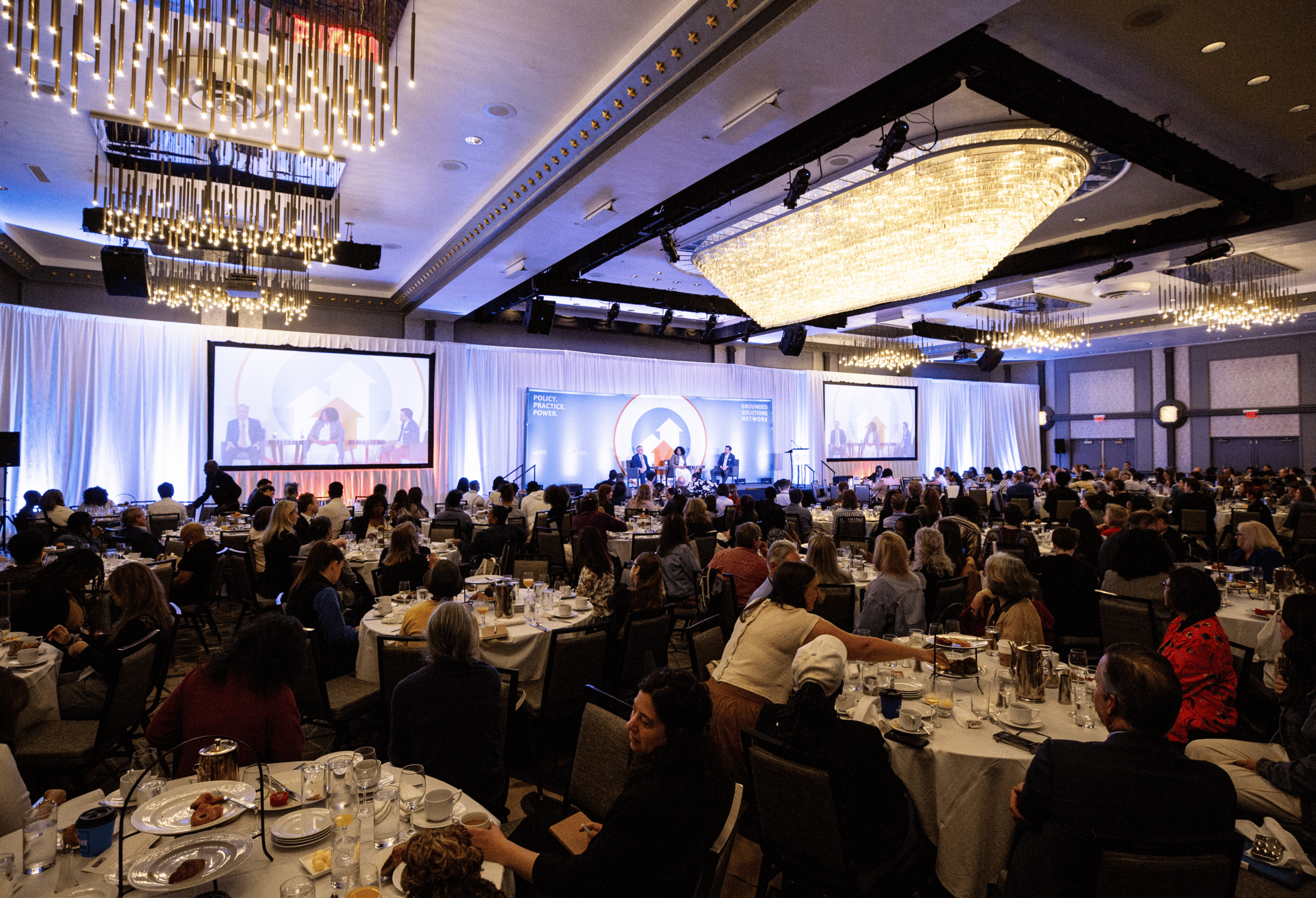
If you’re focused on vacancy in your housing model I would check out the Center for Community Progress. They are the subject matter experts nationally when it comes to figuring out how to tackle vacant buildings. If you’re interested in home ownership, shared equity structures and creative financing to support homeowners or homeownership, I would look into the Grounded Solutions Network.