Fulcrum.us
Shala Staple, Ashleigh Bowman, Tammy Granados
Across the country, families are prevented from accessing safe, stable, affordable housing—not by accident, but by design. Decades of exclusionary zoning, racial discrimination, and disinvestment have created a housing system that works well for the wealthy but leaves others behind. Even as federal cuts to public housing programs continue nationwide, powerful, community-rooted efforts are pushing back and offering real, equity-driven solutions led by local voices.
Historically, states like New Jersey show what’s possible when legal advocacy and grassroots organizing come together. In 1975, the New Jersey Supreme Court’s Mount Laurel ruling established that every municipality in the state has a constitutional obligation to provide its fair share of affordable housing. This landmark legal ruling reshaped housing policy and set a national precedent. Today, organizations like Fair Share Housing Center continue to defend and expand this right, ensuring that local governments are prohibited from using zoning laws to exclude working-class families or people of color.
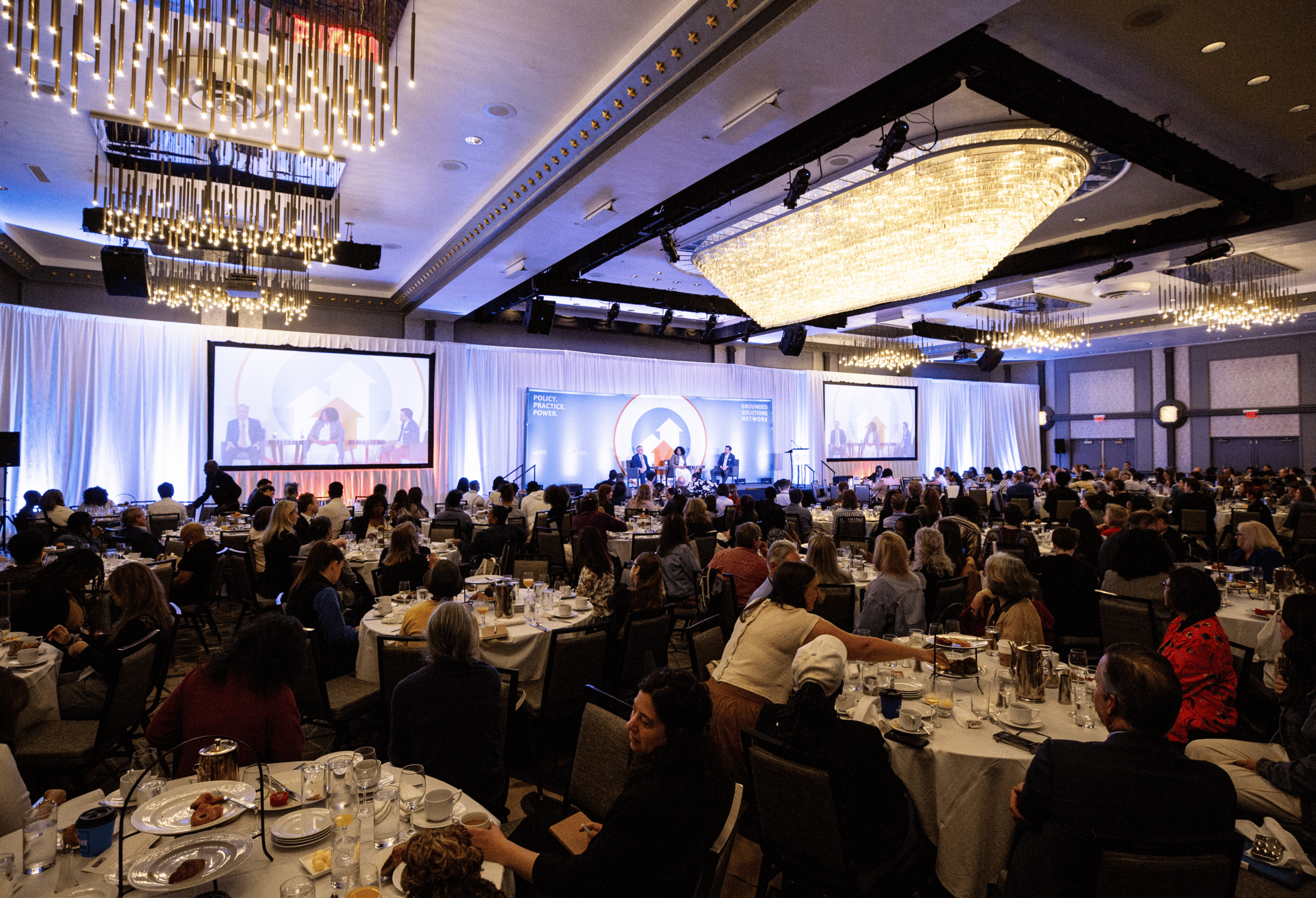
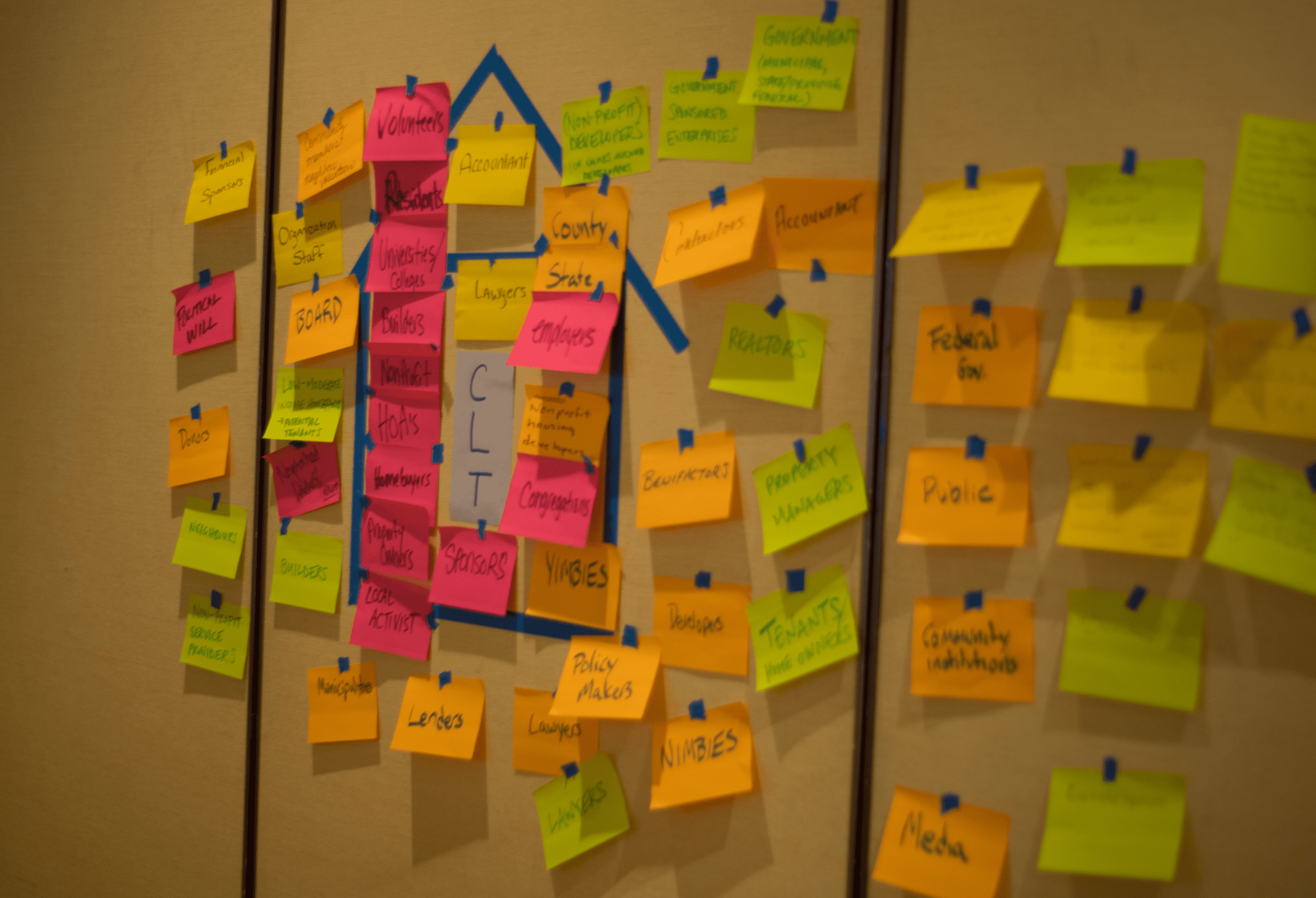
Nationally, organizations like the Grounded Solutions Network are also leading the housing justice fight through community land trusts (CLTs), which help keep homes affordable by removing them from the for-profit housing market. In a CLT, a non-profit organization owns the land and the homeowner owns the building, ensuring that the home remains affordable for future generations, even as neighborhood prices increase.